Source Kids Beach Sandals for Seabeach, Indoor, and Outdoor Use
Source 30 styles of kids beach sandals featuring EVA and PU materials with anti-slippery and breathable designs. Compare options for seabeach, indoor, and outdoor leisure activities, including customizable logos and OEM/ODM services for bulk procurement; compare the available evidence and request quotations based on your requirements.
Key considerations
Products List


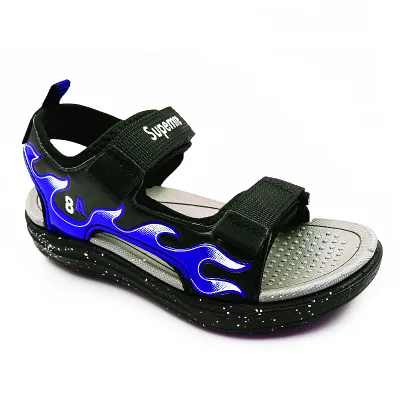
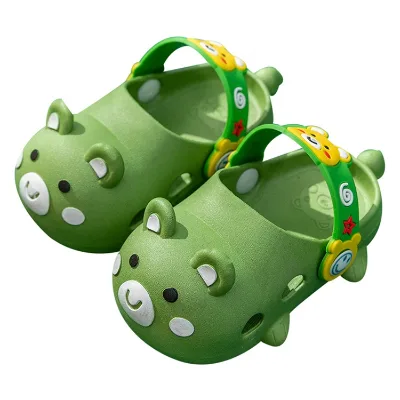
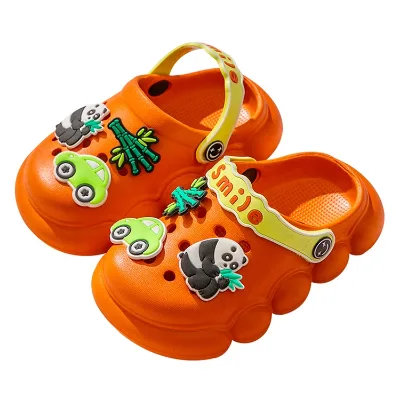
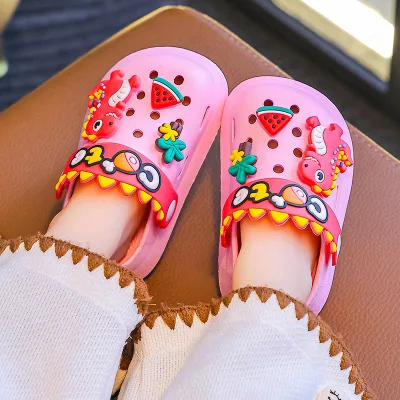
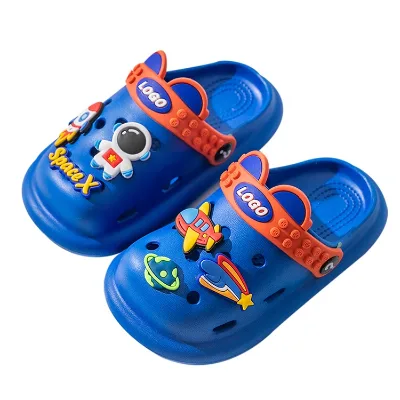
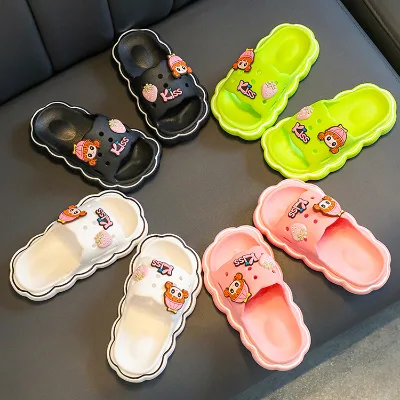
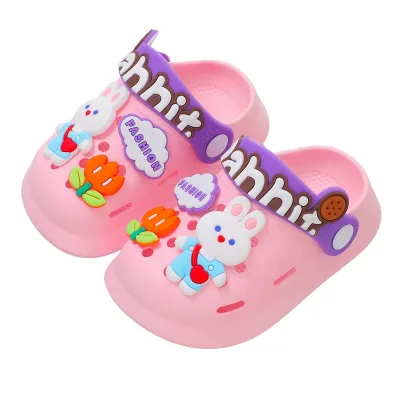


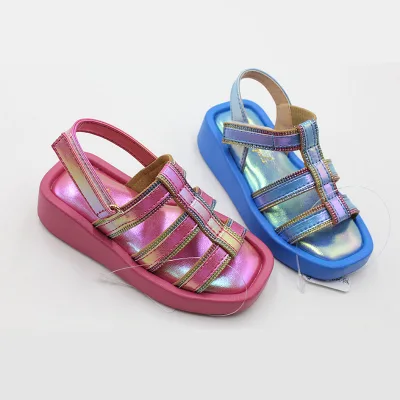
Comprehensive Sourcing Guide
Kids Beach Sandals Sourcing Guide
Procuring children's beach footwear requires balancing durability with safety, as observed in listings featuring open-toe designs and flat heels suitable for seaside environments. Buyers must prioritize models with rubber or EVA outsoles to ensure adequate traction on wet sand and slippery rocks, while avoiding materials that retain water or cause blisters. The observed product range includes unisex options with customizable logos, allowing retailers to align inventory with specific brand identities or promotional campaigns without compromising on essential comfort features.
When evaluating potential suppliers, focus on those offering OEM and ODM capabilities to tailor designs for seasonal trends, such as floral elements or specific color palettes like ivory. It is critical to verify that the upper materials, whether PU, PVC, or fabric, meet the breathability and quick-drying requirements necessary for extended beach exposure. Sourcing teams should also confirm that the packaging, ranging from individual polybags to shoe boxes, aligns with retail display needs and protects the product during transit from origins like Jinjiang or Fuzhou.
Product Scope and Observed Listing Signals
The current market for kids beach sandals presents a diverse array of styles, from casual fish-mouth designs to comfortable open-toe slippers intended for both indoor and outdoor leisure use. Listings indicate a clear segmentation between adult-sized models and those specifically sized for children, with observed ranges extending from EUR 24 to 45. This variation necessitates careful filtering to ensure that the selected inventory matches the target demographic, particularly when distinguishing between heavy-duty beach wear and lighter indoor slippers.
Buyers should note that while some products are marketed as waterproof, others are explicitly non-waterproof, requiring a clear understanding of the intended usage scenario before placing orders. The presence of features like anti-slippery patterns and lightweight construction suggests a focus on safety and ease of movement for active children. However, the distinction between hand-made and non-hand-made production methods implies potential variations in consistency and finish, which should be factored into the quality assessment process for bulk procurement.
Technical Specifications to Verify
Technical due diligence must begin with a rigorous check of material composition, specifically verifying whether the upper is constructed from PU, PVC, or fabric, and if the lining utilizes cotton fabric for added comfort. The outsole material is equally critical, with rubber and EVA being the primary options observed; buyers must confirm that the chosen material provides the necessary flexibility and grip for the specific beach conditions their customers frequent. Additionally, the heel height should be confirmed as flat to prevent tripping hazards, ensuring the footwear remains stable during play on uneven surfaces.
Size consistency is another vital technical parameter, as observed listings show significant variation in size ranges, from 24-35 for younger children to 39-45 for older kids. Procurement teams must validate that the size charts provided by the supplier accurately reflect the internal measurements of the shoes, as discrepancies can lead to high return rates and customer dissatisfaction. Furthermore, verifying the closure pattern, whether it be a simple foot slip, velcro, or other mechanisms, ensures the shoes are easy for children to put on and take off independently, enhancing the overall user experience.
Compliance and Safety Documentation
Safety compliance is paramount when sourcing footwear for children, and buyers should request documentation confirming adherence to relevant international standards such as SGS, which was noted in several product listings. While some suppliers offer customized standards, it is essential to verify that the specific safety tests for the chosen model cover aspects like chemical content, physical durability, and slip resistance. Relying on generic claims without specific test reports can expose the buyer to liability risks, especially when the product is marketed for use in high-risk environments like beaches.
In addition to material safety, buyers must ensure that the production process adheres to ethical labor standards and that the finished goods do not contain hazardous substances. The distinction between disposable and non-disposable products also impacts the environmental compliance strategy, as non-disposable items require a lifecycle assessment for end-of-life disposal. Sourcing teams should insist on clear labeling regarding the product's origin and manufacturing location to facilitate traceability and ensure that all regulatory requirements for the destination market are met before shipment.
Cost Drivers and Commercial Terms
The cost structure for kids beach sandals is influenced by several factors, including the complexity of the design, the quality of materials used, and the extent of customization required. Listings show a price range from 0.79 to 7 USD, reflecting the variance between basic, mass-produced models and those with premium features like custom logos or specialized materials. Buyers should analyze the cost per unit against the expected retail price to ensure a healthy margin, while also considering the impact of volume discounts on the overall budget.
Commercial terms such as Minimum Order Quantity (MOQ) and lead times are critical variables that can significantly affect inventory planning and cash flow. Observed MOQs range from 5 to 1500 units, offering flexibility for small startups but potentially limiting bulk purchasing power for larger retailers. Lead times of 45 to 60 days are common, requiring early planning to avoid stockouts during peak beach seasons. Negotiating favorable payment terms and clarifying shipping responsibilities will help mitigate financial risks associated with these extended production windows.
Supplier Qualification and Quality Control
Selecting a qualified supplier involves more than just reviewing product catalogs; it requires a deep dive into their manufacturing capabilities and quality control protocols. Buyers should verify the supplier's experience with specific materials like EVA and Flyknit, as well as their ability to execute complex designs such as floral patterns or customized logos. The origin of the product, whether from Jinjiang or Fuzhou, can also provide insights into the local supply chain maturity and the availability of skilled labor for producing high-quality footwear.
Quality control measures must be established early in the procurement process to ensure consistency across all units in an order. This includes implementing pre-production samples, in-line inspections, and final random inspections before shipment. Suppliers should be required to provide detailed quality reports that cover dimensions, material integrity, and finish quality. By maintaining strict quality standards, buyers can minimize the risk of receiving defective goods and ensure that the final product meets the expectations of their end customers.
Long-Term Procurement Checks
Building a sustainable supply chain for kids beach sandals requires ongoing monitoring of supplier performance and market trends. Buyers should regularly review supplier feedback and performance metrics to identify any recurring issues with quality, delivery, or communication. Establishing a long-term partnership with reliable suppliers can lead to better pricing, priority production slots, and more collaborative approaches to product development and innovation.
Additionally, staying informed about changes in material availability and regulatory requirements is essential for maintaining a competitive edge. As consumer preferences shift towards more sustainable or eco-friendly materials, buyers should proactively explore new options and encourage suppliers to adapt their production processes accordingly. Regular audits and continuous improvement initiatives will help ensure that the procurement strategy remains robust and responsive to the dynamic nature of the children's footwear market.
FAQs
What materials are used for kids beach sandals?
The products utilize EVA, PVC, and fabric materials. EVA options offer lightweight and quick-drying properties suitable for beach use. Fabric variants feature flyknit uppers with cotton linings for enhanced comfort. These materials ensure durability and breathability for children's active wear in various environments.
Can I customize the logo on these sandals?
Yes, customized logos are available for these sandals. The supplier supports OEM and ODM design services to meet specific branding requirements. This customization allows businesses to create unique products that align with their brand identity while maintaining the high-quality standards expected in the children's footwear market.
What is the typical delivery time for orders?
The standard delivery date ranges from 45 to 60 days. This timeframe accounts for production and logistics processing. Buyers should plan their inventory accordingly to ensure timely availability for seasonal demands. Early communication with suppliers can help manage expectations and coordinate shipping schedules effectively for large orders.
Which sizes are available for children's models?
Sizes range from EUR 24 to 45 depending on the model. Specific children's models cover sizes 24-35 and 30-35. These ranges accommodate various age groups. Buyers should verify exact size charts with suppliers to ensure proper fit. The variety ensures that retailers can stock appropriate options for different developmental stages.
Are these sandals suitable for indoor use?
Yes, several models are suitable for indoor use. Some designs feature cotton fabric linings and anti-slip patterns for safe indoor wear. Other models are optimized for beach and outdoor leisure. The versatility allows retailers to market these products for multiple scenarios, including home, poolside, and casual outdoor activities for children.
What certifications do the products hold?
Products hold SGS certification standards. This indicates compliance with specific quality and safety requirements. Customized standards are also available for specific buyer needs. Buyers should request detailed certification documents to verify compliance with their local market regulations. This ensures that the imported footwear meets all necessary safety benchmarks for children.